On Oct. 1, the government went into a 43-day shutdown after congress failed to pass appropriation bills. The 2025 shutdown surpassed the previous 35-day-long shutdown that happened in 2018-19, making this shutdown the longest one in U.S. history.
On Nov. 9, eight Democratic senators broke with their party to bring an end to the shutdown without getting concessions from Republicans. Most government services resumed three days later.
What is a government shutdown, and why did it happen?
Each year, the federal government is funded when congress passes a spending bill, and it is signed into law by the President to ensure that service is provided to American citizens. Congress failed to pass a funding bill, which caused the second government shutdown in seven years, both happening during President Donald Trump’s terms.
Republicans and Democrats couldn’t come to an agreement to pass a bill funding government assistance, causing a government shutdown.
Democrats wanted the bill to include cheaper health insurance for Americans, and a reversal to President Trump’s cuts on Medicaid and government health agencies.
Republicans said they wanted to debate about health insurance subsidies separately, and only pass what is called a “clean resolution.”
The shutdown continued when the Senate voted on both passed Republican funding bill H.R. 5371 and S. 2882 with both bills failing to pass the required 60 votes due to partial disagreements over federal spending and health care subsidies.
Republicans have a majority in the Senate but don’t have the required 60 votes to pass the house bill, and multiple Republican Senators voted against the bill, including Senator Rand Paul of Kentucky.
The Senate voted again on a funding bill to reopen the government on Nov. 4, and it failed to reach the minimum 60 votes needed to advance.
President Trump asked Republican senators to bring an end to the government shutdown after the Democratic dominated in key elections Nov. 4. That same day, the Senate vote failed for the 14th time on the stopgap funding bill, causing the government shutdown to continue.
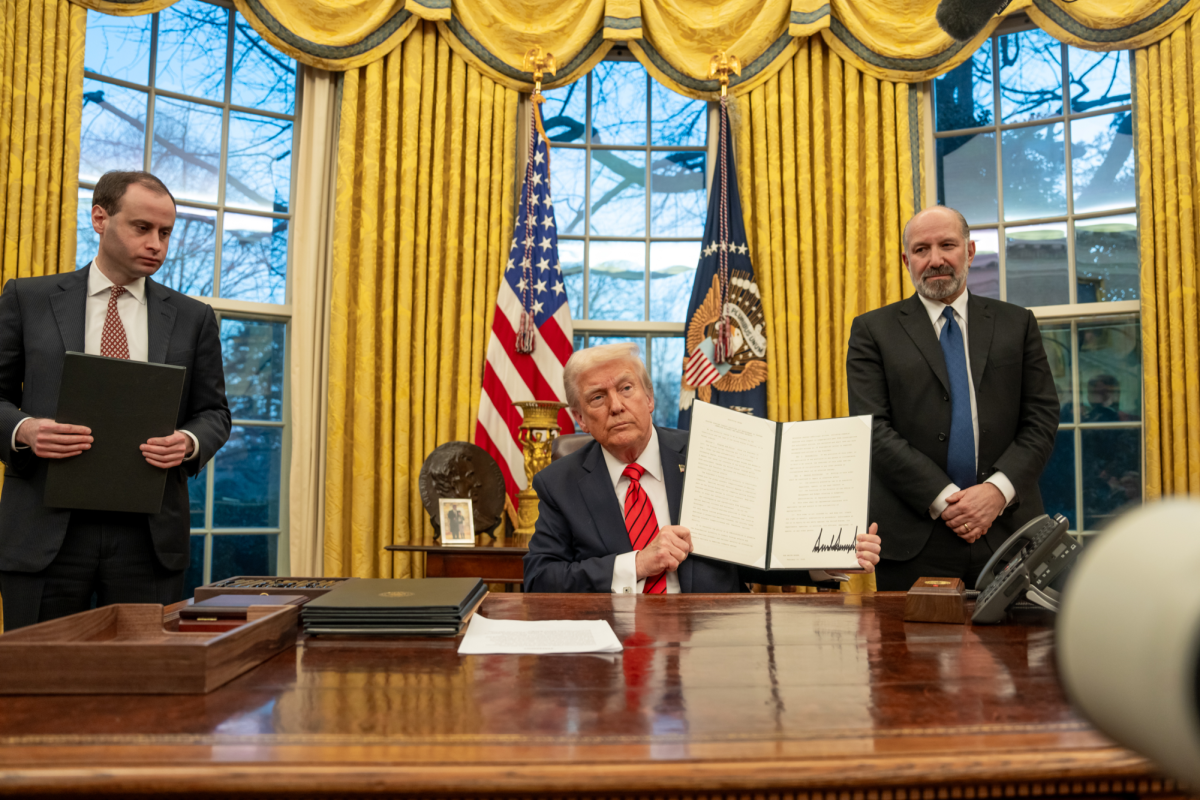
“We must get the government back open soon and really immediately,” Trump said on Nov. 5.
Four days later, eight Democratic senators joined all Republicans (except for Paul) in supporting a spending bill to end the shutdown.
How is this affecting American citizens that use government assistance?
` Since the government shutdown, Americans using government benefits like SNAP (Supplemental Nutrition Assistance Program) and TANF (Temporary Assistance for Families in Need) have been left empty handed when the funds ran out, leaving 41 million Americans without SNAP benefits according to ABC news.
On Nov. 3, the Trump administration said it would use emergency funds to partially benefit SNAP users.
The Department of Agriculture said during a court filing that Americans who receive SNAP would get half their normal SNAP income.
Federal judges in Massachusetts and Rhode Island ruled that they would need over $5 billion in emergency funds to properly distribute to SNAP users. The judges both said that Trump could use the funds of contingencies to provide benefits.
Trump said that he could use the funds of contingencies, but it would be delayed.
How is this affecting Kentucky residents?
Kentucky is one of the many states that was affected by the federal shutdown, as the state was not receiving important funding for TANF and SNAP.
Kentucky had not received November’s benefit for TANF, and an ABC News reported on the governor’s opinion.
“I know this is a scary and stressful time for our families,” Kentucky Gov. Andy Beshear said. “We are committed to processing benefits the moment the federal shutdown ends.”
More than 600,000 Kentucky residents that use SNAP were affected by the cut in the amount they receive monthly. Residents were left empty handed until November.
“One in eight Kentuckians who use SNAP benefits would be impacted by the lapse in funding,” Beshear said.
Government Shutdown affecting air travel
Since the federal shutdown started, Air Traffic Controllers (ATC) had been working without pay. Some ATCs had not been showing up for work or quitting without notice, causing backup in air traveling,
Forty airports–including CVG–have been affected by the shortage in ATCs, causing thousands of flights to be cancelled and refunded.
The shutdown is over, what now?
Since the shutdown has ended, multiple issues have been resolved.
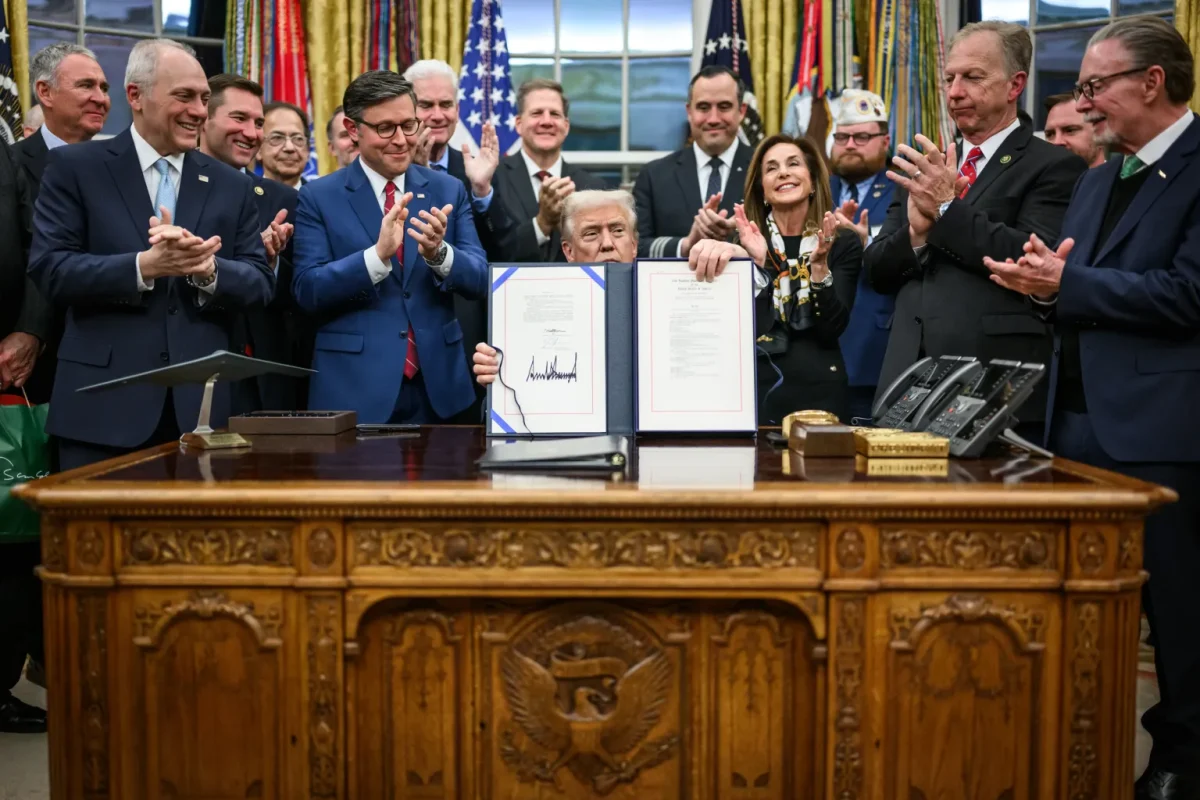
On the last day of the shutdown, President Trump signed a bill passed by the House of Representatives and the Senate that funded government assistance until Jan. 30, 2026, ending the government shutdown.
SNAP benefits are being restored but changes are being made. The “One Big Beautiful Bill Act” focused on expanding work requirements for people that are using SNAP.
New immigrants are no longer eligible for SNAP benefits; instead they are put on a five-year waiting hold before being eligible for benefits.
Federal employees are returning to work and furloughed workers receive back pay.